

STEAM activities to do at home this season, suggested by Group for the East End
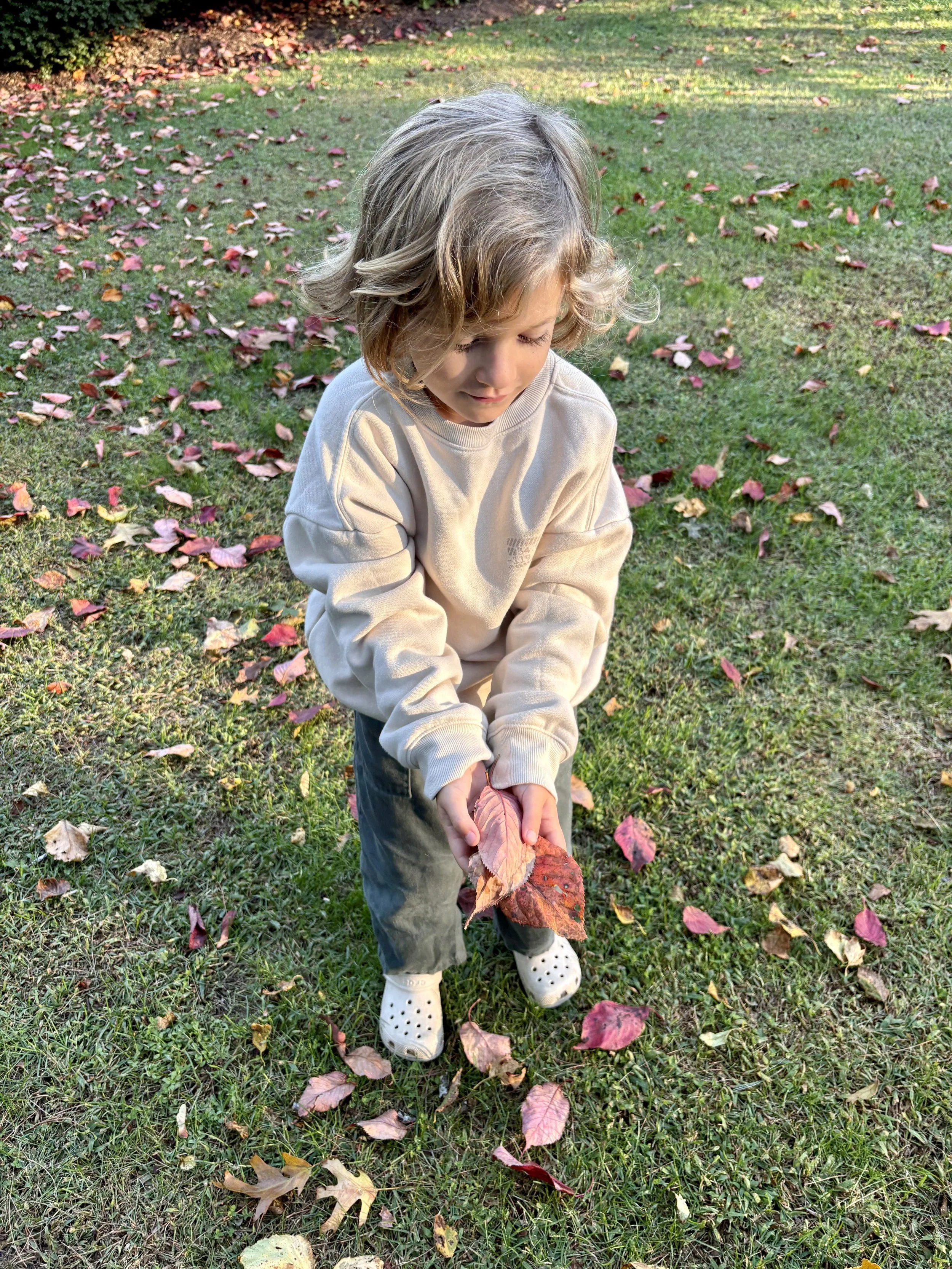
(Photo: Petite North Fork)
With school in full swing and kids spending more time indoors, it is more important now than ever to balance this time with outdoor activities. The good news is that what you do at home can help your young ones in the classroom, too! Science, Technology, Engineering, Art, and Mathematics (STEAM) learning helps children develop critical thinking and problem-solving skills—something nature teaches naturally.
Read on for STEAM activities to do at home this season suggested by Group for the East End.
Pumpkin Math
Visit your local pumpkin farm and note the different sizes and shapes of all the pumpkins. Once you’ve picked one and taken it home, cut off the top and let your child scoop out the messy insides. Can your little one guess how many seeds there are? Count them together as you cook them into a delicious and healthy snack. For younger kids, instead of using a knife to carve the pumpkin, use golf tees and a rock (almost like a hammer!) to poke holes, which can allow light from candles to still shine through.
After carving your pumpkins, take note of how they change over time. Do they break down more quickly on a hot day? Do carved pumpkins decay faster than whole pumpkins? How long does the decay take? Could this be part of a composting project? Wonder about these things together to investigate the natural process of nutrients returning to the soil.
Tip: Avoid decorating with paint, glitter, or other synthetic materials. This will keep the pumpkin a safe snack for wildlife as it decays.
Leaf Explorations
While out on a nature walk—or in your own backyard—collect leaves in different shapes and colors. Have children trace them on paper and then add details to the drawing. As they color them in, discuss why leaves change color in the fall. Did they look the same all summer? Will they stay these bright colors if we save a few? Let them make guesses, then find an age-appropriate book to learn more together about why leaves change color and fall to the ground. Maybe save a few leaves to experiment with how long the colors remain after they have fallen from the trees. Has your child found any trees that don’t drop their leaves?
Tip: Leave the leaves in your yard instead of raking them up to support overwintering pollinators and other insects.
Smiling Acorns
Get outside and gather some acorns or other fallen nuts and seeds. Let children work to open one and pull it apart. Plant one in a glass of water with toothpicks holding it half in and half out of the water, and watch it sprout. Then discuss why trees put energy into making acorns. What animals do we think like acorns? What do they do with them? Pretend to be an animal collecting acorns and hiding them around your property. Will they turn into an oak tree? Save some, draw tiny smiles on them, then place them around your neighborhood. Maybe your tiny smiling acorn will bring a smile to others in your community, and then maybe a squirrel will plant it for you!
Tip: If you leave acorns around your property for wildlife, scatter them instead of piling them up to avoid trapping moisture and attracting unwanted pests.
Animals on the Move
During the fall season, many animal species migrate away from Long Island before the cold of winter arrives. Spend some time learning about migration. Choose an animal a child may be interested in, like ospreys or monarch butterflies, and learn about their migration path together. Is the journey easy? Can they hop in a car or on a plane as we would? Migration is hard... what dangers might they face along the way? Could we do anything to help them before they go?
Tip: Turn out the lights at night to help migrating birds navigate dark skies safely. Plant native plants on your property so pollinators like monarch butterflies can fuel up before their long journey south.
The Magic of Make-Believe
Explore the magic of make-believe with nature-themed games. Animal charades is a fun way to get kids thinking about the different challenges an animal might face in the fall. Have them observe animals in the yard or around the neighborhood and then pretend to be those animals. How will you get ready for winter? Will you hibernate, migrate, or do something else? Nature models problem-solving skills for us all the time. Encourage your children to use their imagination and figure out how they might find solutions if they were in the shoes of their local animal friends!
Fall brings wonderful outdoor changes; by slowing down and spending more time outside, we can learn a lot from this season while our children grow their STEAM capabilities.
Through environmental education programs in schools, nature outings, and volunteer events, Group for the East End inspires children and adults to appreciate, respect, and protect all things natural on the East End. All year, Group for the East End leads family-friendly nature outings across the East End. Find upcoming events here or schedule your own private event by contacting Group Director of Outreach Taralynn Reynolds at taralynn@thegroup.org.